Bringing Your HVAC Up to Code Before You Sell
Selling your home soon? Learn what inspectors look for in your HVAC system, common code issues, and how to prepare so your sale goes smoothly.
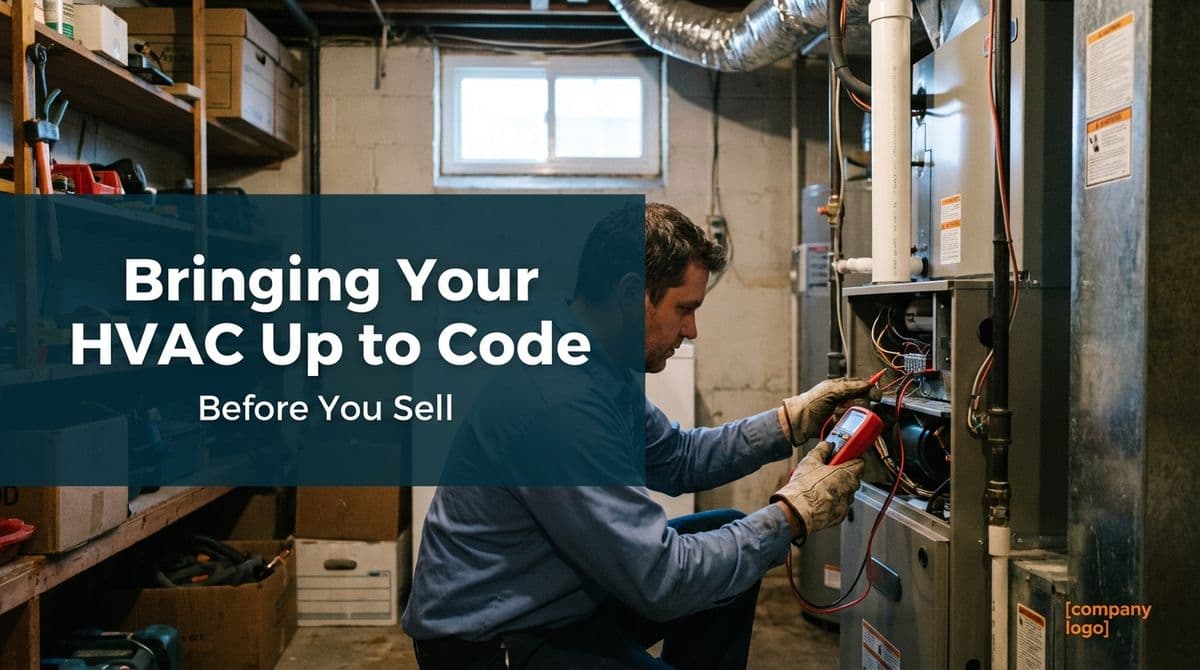
Getting Your HVAC System Ready for Inspection Before a Sale
We recently got a call from a homeowner — let’s call him Mark — who was right in the middle of selling his house. The buyer’s inspector had given Mark a laundry list of items that needed to be brought up to code, and two of them landed squarely in our wheelhouse: a gas furnace that needed to be serviced and a water heater vent that wasn’t tall enough above the swamp cooler on the roof.
Mark told us, “They said the heater needs to be opened up and vacuumed out or something — I’m not really sure what that means.” On top of that, the inspector had flagged the vent for the water heater because it didn’t extend high enough, and the buyer wanted it fixed as part of the deal.
We see this kind of situation all the time when people are preparing to sell. So we thought we’d walk through what inspectors usually look for with HVAC systems, why they call out issues like Mark’s, and how you can get ahead of these things before you list your home.
What Inspectors Are Really Looking For in Your HVAC System
When a home is under contract, the buyer’s inspector is focused on safety, function, and basic code compliance, not whether your system is the newest on the block. Here are some of the main HVAC items they tend to check:
- Overall operation – Does the furnace or air handler turn on? Does the air conditioner or heat pump cool properly? Any unusual noises or smells?
- Filter condition and airflow – Dirty filters, clogged blower compartments, and blocked returns can all get noted as maintenance concerns.
- Combustion safety – On gas furnaces and water heaters, inspectors look at burners, flame pattern, and signs of soot or rust.
- Vent and flue clearances – This was Mark’s big issue: the water heater vent didn’t extend high enough above the roof equipment.
- Electrical and gas connections – Loose wiring, missing disconnects, or improper gas piping get flagged.
- Age and general condition – An older but safe unit usually isn’t a “must repair,” but inspectors often note age as a bargaining point.
Every inspector is a little different, but if your system is clean, safely installed, and reasonably maintained, you avoid a lot of red flags.
Why “Vacuuming Out” the Furnace Matters Before a Sale
Mark’s report said the heater needed to be opened up and vacuumed out, which is inspector-speak for “this furnace needs a proper service.” When we service a gas furnace before a sale, we typically:
- Remove panels and vacuum out dust and debris from the burner and blower compartments
- Inspect burners and flame pattern for proper combustion
- Check the heat exchanger (as much as accessible) for visible cracks or rust
- Test safety controls like limit switches and ignition systems
- Inspect the flue for rust, gaps, or backdrafting risks
- Replace or clean air filters and check airflow
From an inspector’s perspective, a dusty, neglected furnace looks like a potential safety risk and a future expense. A recently serviced furnace, with documentation from a licensed HVAC company, gives buyers confidence and often helps keep your deal on track.
That Tricky Vent Height Rule: Why Mark’s Water Heater Failed
The other item on Mark’s list was the vent for his gas water heater. The inspector noted that it did not extend far enough above the swamp cooler (evaporative cooler) on the roof. Code generally requires that gas appliance vents terminate a certain distance above nearby roof surfaces and equipment to ensure flue gases rise and disperse safely.
In Mark’s case, the vent needed to extend higher — typically 2–3 feet above anything within a certain distance. The inspector was concerned that exhaust from the water heater could be disrupted by the nearby cooler, which can cause poor draft and potentially allow combustion gases to re-enter the home.
Our fix for Mark was straightforward: we extended the vent with the correct diameter pipe, verified clearances, and made sure everything was properly supported and sealed. It’s a relatively small job, but it can make or break a clean inspection report.
How to Prepare Your HVAC System Before You List Your Home
If you’re getting ready to sell, you don’t have to wait for a buyer’s inspector to tell you what’s wrong. Here are some steps we recommend:
- Schedule a professional HVAC service for your furnace and A/C (or heat pump) before you list.
- Replace all air filters and make sure vents and returns aren’t blocked by furniture or rugs.
- Have gas appliances inspected for venting issues, rust, or signs of backdrafting.
- Check outdoor equipment clearances – the condenser and any roof equipment need proper airflow and spacing.
- Gather maintenance records so you can show buyers your system has been cared for.
This kind of light “pre-inspection” work can uncover small, inexpensive fixes before they become negotiation leverage for a buyer.
Budgeting and Negotiating Repairs With Buyers
On our call, Mark was trying to decide what to offer in his counter: “If it’s pretty reasonable, I’ll just plan on telling them I’ll take care of it.” We talked through our pricing so he could make a smart decision. In his case, we were able to service the furnace and extend the vent for about what he was hoping — and he could confidently tell the buyer those items would be handled by a licensed pro.
When you’re in that same spot, we suggest:
- Get a written estimate for HVAC-related items on the inspection report.
- Decide what you’ll fix vs. credit – safety and code issues are usually worth fixing.
- Share invoices with the buyer after the work is done to document repairs.
Sometimes a few hundred dollars of well-targeted HVAC work can save you thousands in price reductions or buyer concessions.
Want a Pre-Sale HVAC Checkup?
If you’re thinking about selling, we’re happy to do for you what we did for Mark: come out, service your equipment, take a look at your venting, and let you know what might show up on an inspection report. Whether it’s a simple “vacuum it out” furnace service or correcting vent clearances on the roof, getting your system up to code before you list can make your sale smoother and less stressful.